Get Connected with Trusted Tree Services in Fort Worth
A screened provider from our network will contact you within 24 hours.
Why Dial A Pro Tree Services?
Screened, licensed providers
ISA Certified Arborists
24/7 Emergency
Free Estimates
Serving Fort Worth & surrounding areas within 20 miles
Tree Services in Fort Worth, TX
Connect with screened, licensed, and insured tree service providers in Fort Worth through Dial A Pro Tree Services. Our referral network connects you with qualified arborists for tree removal service fort worth tx, tree trimming service fort worth tx, tree stump removal fort worth tx, and emergency tree service fort worth tx.
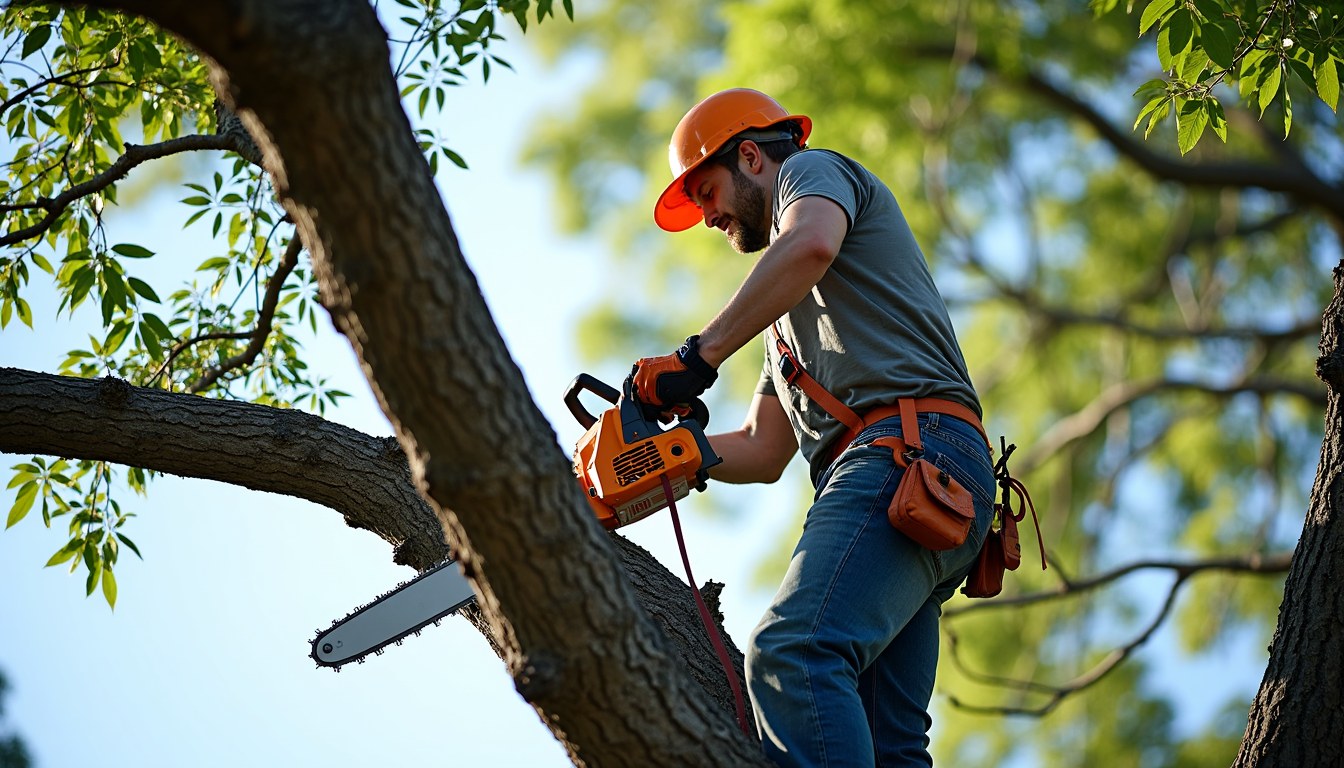
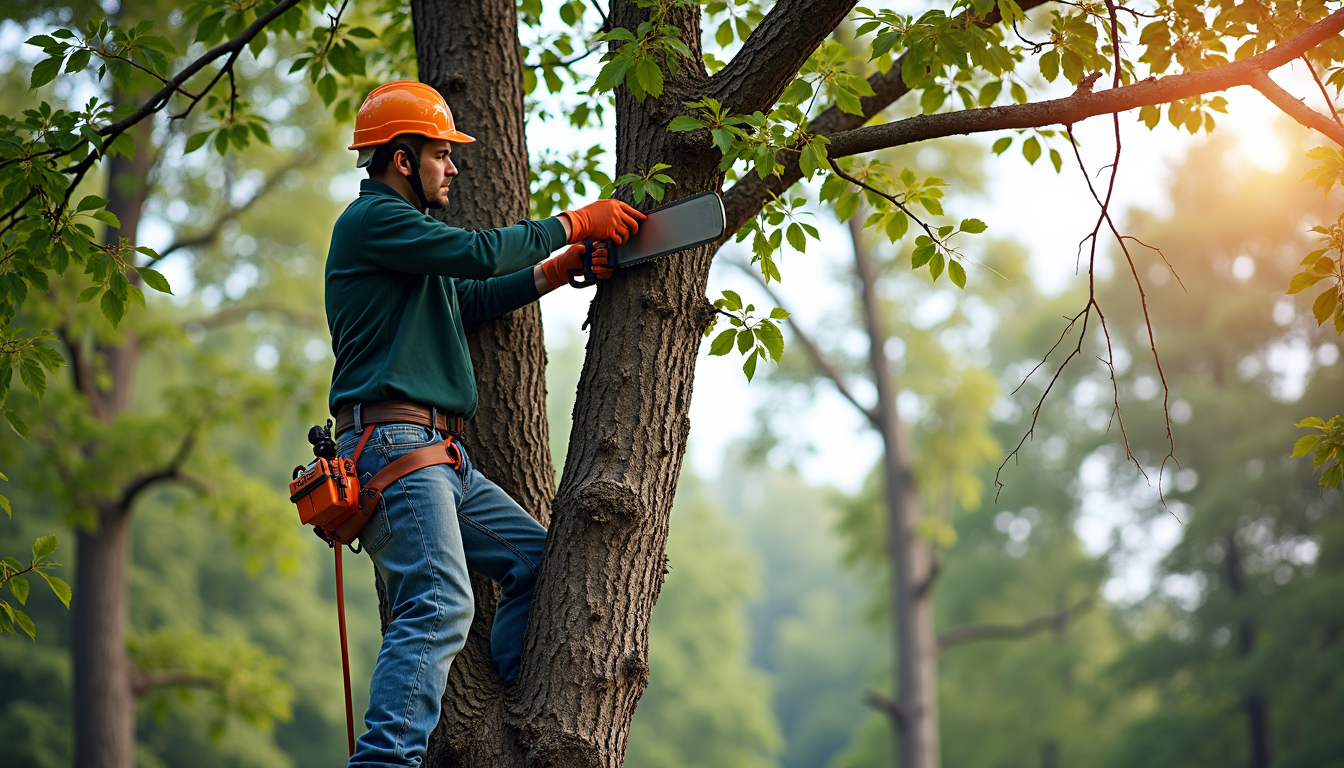
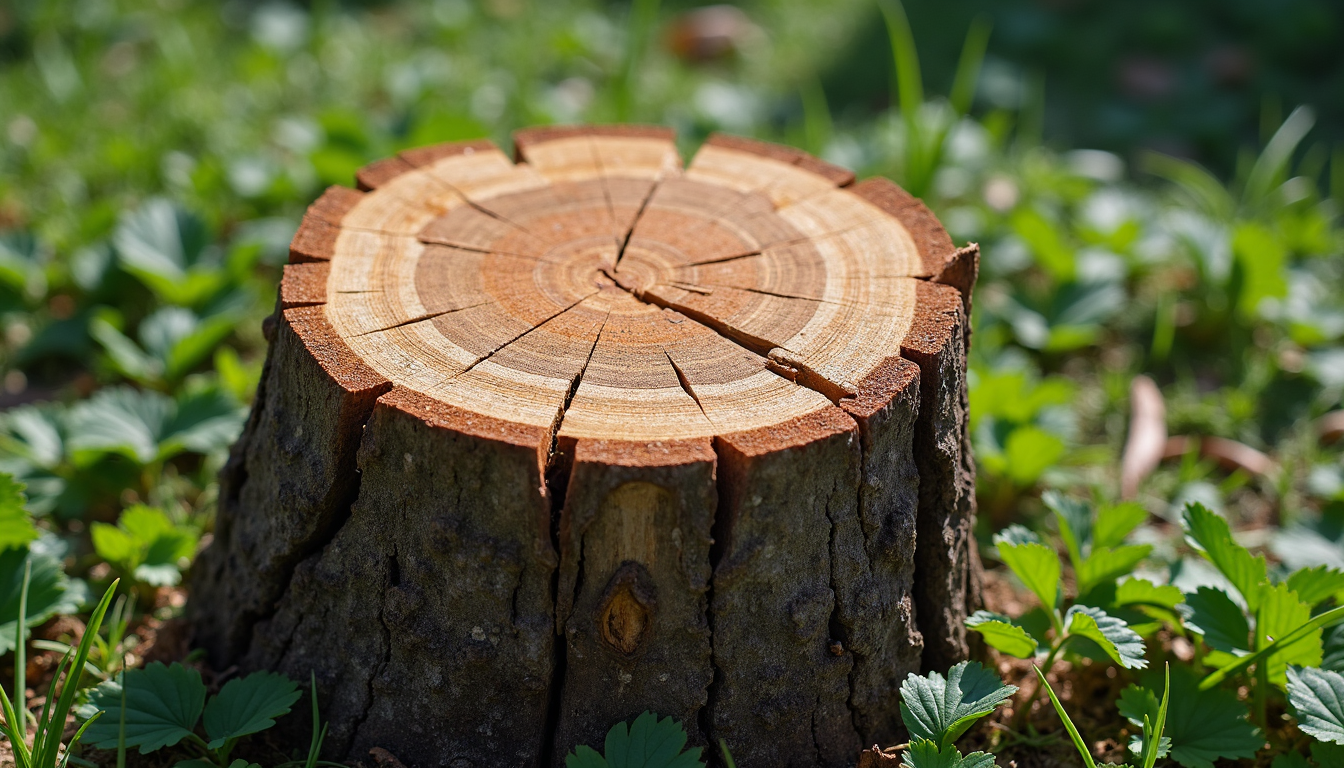
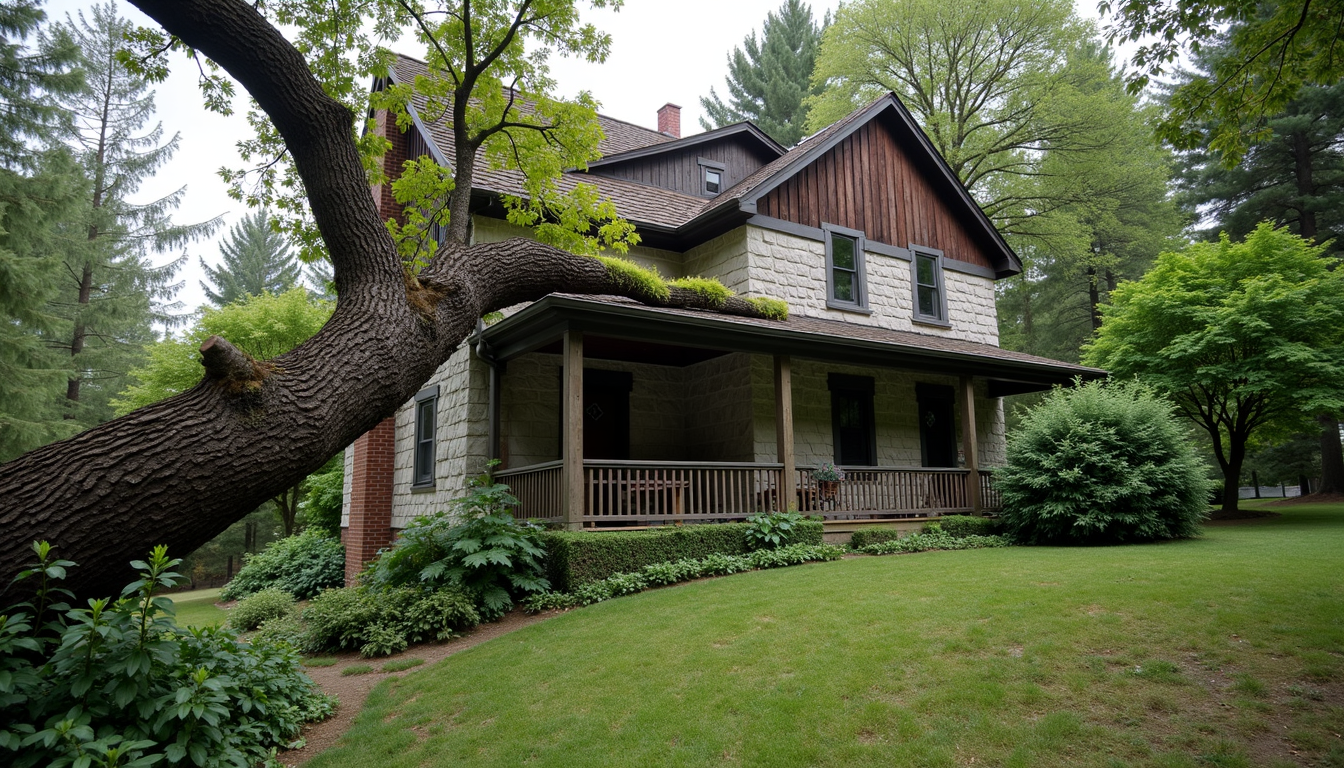
Your Trusted Tree Service Referral Network in Fort Worth
Dial A Pro Tree Services Texas is a referral network, not a tree service company. We connect homeowners and businesses in the Fort Worth area with screened, licensed, and insured independent tree service providers.
Fort Worth is located in North Texas on the Trinity River, approximately 30 miles west of Dallas. The region experiences a humid subtropical climate with hot summers averaging 97°F, cold winters with occasional freezing temperatures, and moderate rainfall averaging 36 inches annually. The area is characterized by highly alkaline, compacted clay soils that can become waterlogged and poorly drained. Fort Worth's location in the Blackland Prairie and the Cross Timbers region, combined with its urban environment and proximity to the Trinity River, creates unique challenges for trees, including soil compaction from construction, limited root space, drought stress, and the need for careful species selection. Arborists in Fort Worth must carefully manage soil quality, monitor for pest issues like oak wilt and bark beetles, and select species adapted to the region's challenging climate. Whether you need tree removal service fort worth tx, tree trimming service fort worth tx, or tree stump removal fort worth tx, Dial A Pro Tree Services can help you find qualified professionals in your area.
- We screen providers for licensing and insurance
- Providers are independent contractors
- We help connect you with qualified professionals
Tree Services in Fort Worth, TX
Dial A Pro Tree Services connects you with screened providers offering complete tree care solutions in Fort Worth and surrounding areas within 20 miles.
tree removal service fort worth tx
Safe, efficient removal of dead, diseased, or hazardous trees through our network of licensed professionals.
📞 Screening — phone coming soontree trimming service fort worth tx
Expert pruning and trimming from ISA-certified arborists in our network to maintain tree health and curb appeal.
📞 Screening — phone coming soontree stump removal fort worth tx
Complete stump removal and grinding to restore your landscape and prevent pest infestations.
📞 Screening — phone coming soonemergency tree service fort worth tx
24/7 emergency tree service for storm damage, fallen trees, and hazardous conditions in Fort Worth.
📞 Screening — phone coming soonTree Care Challenges in Fort Worth & the Cross Timbers
Fort Worth's unique location in the Cross Timbers region presents specific challenges for trees. Our network of arborists serving the Fort Worth area through Dial A Pro Tree Services is equipped to handle them.
Fort Worth's Climate & Soil Conditions
Fort Worth is located in North Texas on the Trinity River, approximately 30 miles west of Dallas. The region experiences a humid subtropical climate with hot summers averaging 97°F, cold winters with occasional freezing temperatures, and moderate rainfall averaging 36 inches annually. The area is characterized by highly alkaline, compacted clay soils that can become waterlogged and poorly drained. Fort Worth's location in the Blackland Prairie and the Cross Timbers region, combined with its urban environment and proximity to the Trinity River, creates unique challenges for trees, including soil compaction from construction, limited root space, drought stress, and the need for careful species selection. Common native and adapted tree species include Live Oak, Red Oak, Cedar Elm, Pecan, Post Oak, and Texas Ash.
Common Tree Diseases in Fort Worth
Oak Wilt in Fort Worth: This fungal disease is prevalent in North Texas, affecting oak trees and causing rapid decline and death. It spreads through root grafts and insect vectors.
Hypoxylon Canker in Fort Worth: This fungal disease typically attacks trees stressed by drought, heat, or root damage, causing bark to peel away and rapid decline.
Cotton Root Rot in Fort Worth: A soil-borne fungal disease that thrives in the region's alkaline soils, causing wilting and death in many tree species.
Anthracnose in Fort Worth: A fungal disease that affects many shade trees, causing dark blotches on leaves, premature leaf drop, and twig dieback.
Common Pests & Threats in Fort Worth
Bark Beetles in Fort Worth: Attack stressed and weakened trees, boring into the trunk and disrupting water flow, often leading to tree death.
Spider Mites in Fort Worth: Thrive in hot, dry summers, causing leaf stippling and webbing on trees, which can lead to defoliation.
Bagworms in Fort Worth: Common pests that defoliate trees, especially Junipers and other evergreens, creating unsightly bags.
Soil Compaction in Fort Worth: Urban development causes soil compaction, limiting root growth and nutrient uptake by 50-80%.
Storm Damage in Fort Worth: Severe thunderstorms, high winds, and occasional tornadoes can cause significant tree damage.
Common Tree Species in Fort Worth
Live Oak in Fort Worth: The iconic shade tree of Texas, highly adaptable to the region's climate and soils.
Red Oak in Fort Worth: A native oak that offers beautiful fall color and good drought tolerance.
Cedar Elm in Fort Worth: A native elm that is well-adapted to the region's dry conditions and clay soils.
Pecan in Fort Worth: The state tree of Texas, which can thrive in the region's soils with proper care and irrigation.
Post Oak in Fort Worth: A native oak that is drought-tolerant and well-adapted to the region's soils.
Texas Ash in Fort Worth: A native ash that is well-adapted to the region's climate and provides fall color.
Why Choose Dial A Pro Tree Services in Fort Worth?
Fort Worth homeowners and businesses face unique tree care challenges due to the city's combination of humid subtropical climate, Blackland Prairie soils, and urban heat island effects. Dial A Pro Tree Services connects you with a screened network of tree service providers serving the Fort Worth area that includes ISA Certified Arborists who understand the specific needs of trees in Fort Worth neighborhoods, from the historic areas near downtown to the growing communities along the Chisholm Trail Parkway corridor. Whether you need tree removal service fort worth tx, tree trimming service fort worth tx, or emergency tree service fort worth tx, Dial A Pro Tree Services connects you with qualified professionals who understand Fort Worth's unique environment.
Contact Dial A Pro Tree ServicesTree Service FAQs for Fort Worth, TX
Fort Worth's landscape features a mix of native and adapted species including Live Oak, Red Oak, Cedar Elm, Pecan, Post Oak, and Texas Ash. These species have adapted to the region's alkaline clay soils, hot summers, and occasional drought conditions.
The best time for tree trimming in Fort Worth is during late winter (January-February) before spring growth begins. For oak trees, avoid pruning during the oak wilt transmission window (February-June) unless necessary for safety reasons.
Professional tree removal in Fort Worth typically costs between $300-$2,500+ depending on tree size, location, access, and complexity. Contact our network for free estimates.
The most common tree diseases in Fort Worth include Oak Wilt, Hypoxylon Canker, Cotton Root Rot, and Anthracnose. The region's hot summers and clay soils can stress trees, making them more susceptible to disease.
No, Dial A Pro Tree Services is a referral network, not a tree service company. We connect customers in Fort Worth and surrounding areas with screened, licensed, and insured independent tree service providers. It is the customer's responsibility to verify the credentials and workmanship of any referred provider.
Need Tree Service in Fort Worth?
Dial A Pro Tree Services will connect you with a screened, licensed tree service provider in your Fort Worth neighborhood.
Get Connected with Dial A Pro